1. A Countdown Clock
Reload the page. If the timer resets, the offer was never expiring and the urgency was manufactured. This is the easiest red flag to test and one of the most common.
The same applies to a stock counter that never changes and a discount that has been ending for eight months.
2. A Named Disease
A supplement may describe an effect on the normal workings of the body. It may not claim to treat, cure or prevent a disease, because a product that treats disease is legally a drug.
So a page saying a supplement reverses diabetes has told you something important about how it operates. Testimonials work the same way: a customer story about somebody's diagnosis improving is a disease claim wearing a friendly face.
3. FDA Approved
No dietary supplement carries FDA approval. Facilities are registered; products are not approved. Any page claiming otherwise is either careless or counting on you not knowing, and neither inspires confidence about the rest of the page.
4. A Star Rating With No Reviews Behind It
Look for a rating shown in search results that corresponds to no visible review process on the page. Injecting an aggregate score into the page code without a real review system is common in this category and it is a straightforward fabrication.
5. Invented Statistics
"Ninety-six per cent of customers order six bottles." "Backed by four hundred studies." Numbers with no source attached and no way to check them are decoration. Ask where a figure came from and the good pages can tell you.
6. Dollar Values On Free Bonuses
A digital guide described as worth sixty-seven dollars was priced by a marketing department, not by a market. The guides may well be useful; the valuation is invented, and printing it is a deliberate attempt to inflate perceived value.
7. The Same Face On Four Different Sites
Reverse image search a testimonial photograph. Stock imagery reused across unrelated supplement pages is endemic, and a page willing to invent a customer is willing to invent other things too.
8. A Long Ingredient List With No Amounts
Twenty-three names looks generous until you notice they share a 200 mg blend. This is worth being fair about: blends are near-universal here and are a transparency problem rather than a safety one. The red flag is not the blend itself, it is a page presenting the blend as a feature. The arithmetic piece works it through.
9. No Downside Anywhere On The Page
The broadest signal and the most reliable. Every real product has a group it does not suit, an ingredient with a caution and a claim the evidence does not fully carry.
A page with none of those has decided not to tell you something. It is the reason the safety checklist here is the longest page on the domain and why the feedback page prints the complaints.
Turning The List On This Site
The fair test of an article like this is whether it survives being pointed back at the site publishing it.
So: this site earns a commission when a reader buys, stated in the footer of every page. The customer stories are labelled illustration. There is no fabricated rating anywhere in the code and no countdown clock. No dollar value is printed against any bonus. And where the evidence is thin — the Coleus Forskohlii page is the clearest example — it says so on the ingredient page rather than around it.
Apply the nine checks to the next product page you read, whoever wrote it.
General information only. This entry is not medical advice and Sugar Reset is not a treatment for diabetes. Pregnancy, breastfeeding, being under 18, a diagnosed condition or any prescription all mean putting it in front of a doctor or pharmacist before the first dose. Full detail on the safety checklist.
Questions On This Entry
Short answers to what readers ask about this topic.
How can I tell if a countdown timer is fake?
Reload the page. If the timer resets, the deadline was never real.
Can a supplement claim to treat diabetes?
No. Supplements may describe effects on normal body function but cannot claim to treat, cure or prevent a disease. A page doing so has crossed a legal line.
Is a proprietary blend automatically a red flag?
Not by itself. Blends are near-universal and are a transparency problem rather than a safety one. The red flag is a page presenting one as a feature.
What is the single most reliable warning sign?
A page with no downside anywhere on it. Every real product has a group it does not suit and a claim the evidence does not fully carry.
Keep Reading
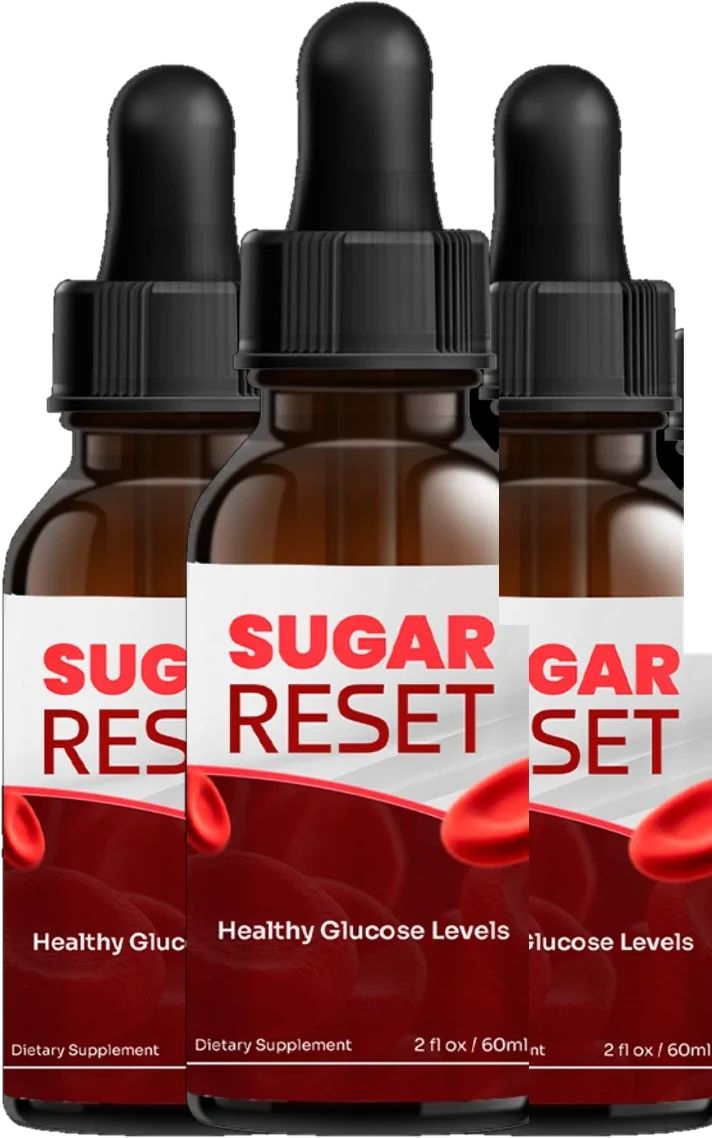
Sixty Days To Make Up Your Mind
One dropper in the morning, sixty days to decide, and a page for every ingredient so you are never buying blind.
- Ten seconds a day, straight under the tongue
- Supports glucose already inside a healthy range
- Chromium declared with its own amount
- Sixty days to send it back